
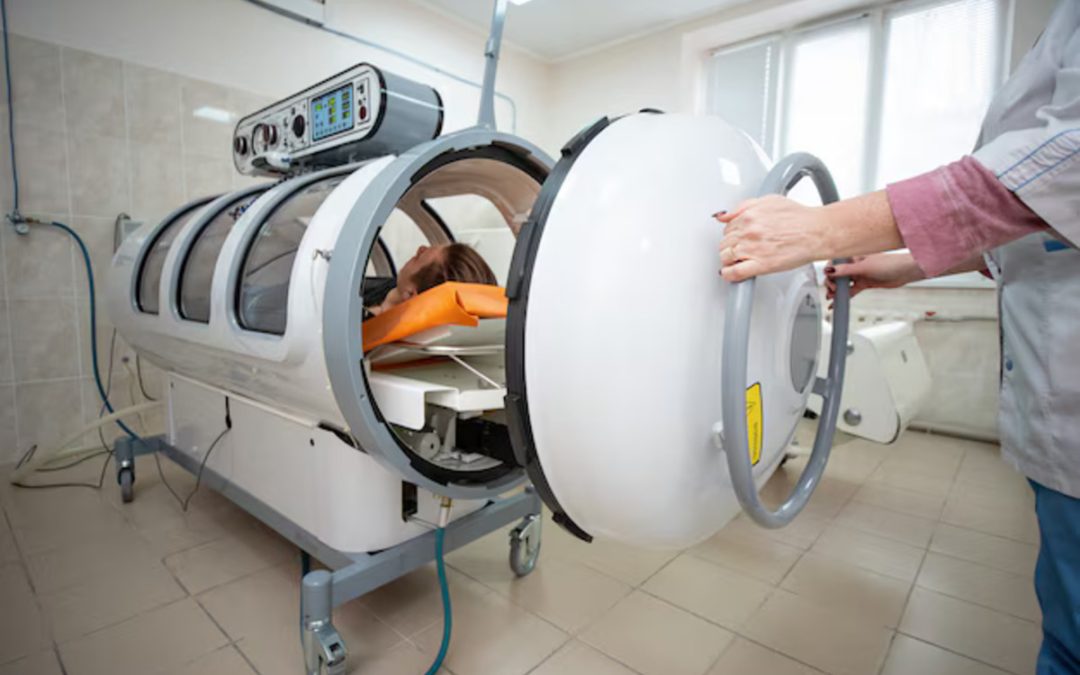
When the body is injured, inflamed, oxygen-deprived, or struggling to heal efficiently, oxygen becomes one of the most important tools in the recovery process. That is the foundation behind Hyperbaric Oxygen Therapy (HBOT)—a treatment designed to dramatically increase oxygen delivery throughout the body in a controlled, pressurized environment.
At Founding Fathers Hyperbarics, Hyperbaric Oxygen Therapy is used to support recovery, wellness, performance, healing, and overall cellular function through advanced oxygen-based therapy.
As HBOT becomes more widely discussed in medical, athletic, wellness, and longevity communities, many people are searching for accurate, evidence-based information about how it works, what it may help with, and whether it is right for them. This guide provides a clear, medically grounded overview designed for both patients and families researching hyperbaric oxygen therapy.
What Is Hyperbaric Oxygen Therapy (HBOT)?
Hyperbaric Oxygen Therapy is a treatment in which a person breathes concentrated oxygen inside a pressurized chamber. The increase in atmospheric pressure allows the body to absorb significantly more oxygen than normal breathing conditions permit. (Cleveland Clinic)
Under standard conditions, oxygen is primarily carried through red blood cells. During HBOT, oxygen dissolves directly into blood plasma, lymphatic fluid, and tissues, allowing oxygen to reach areas with reduced circulation, inflammation, or injury. (Founding Fathers Hyperbarics)
This increased oxygen availability may help support:
- Tissue repair
- Cellular energy production
- Reduced inflammation
- Circulation support
- Immune response
- Recovery after injury or surgery
- Wound healing
- Neurological support
HBOT has been used for decades in both emergency medicine and integrative recovery settings. Today, it is commonly discussed in connection with wellness optimization, athletic recovery, anti-aging support, neurological health, and chronic inflammation management.
How Hyperbaric Oxygen Therapy Works
Inside a hyperbaric chamber, atmospheric pressure is increased above normal air pressure levels while the individual breathes high-concentration oxygen. This process allows the lungs to gather and distribute substantially more oxygen throughout the body. (Mayo Clinic)
The body depends on oxygen for nearly every healing process. Oxygen plays a major role in:
- ATP and mitochondrial energy production
- Collagen formation
- Circulation and blood vessel development
- Immune defense
- Tissue regeneration
- Neurological signaling
- Inflammatory response regulation
When tissues become damaged or inflamed, oxygen delivery may become impaired. HBOT is designed to temporarily increase oxygen saturation in tissues to help support the body’s natural healing mechanisms.
Many researchers and clinicians believe one of HBOT’s most important roles is helping stimulate angiogenesis—the formation of new blood vessels—which may improve long-term tissue oxygenation and circulation. (Mayo Clinic)
Conditions Commonly Associated With HBOT
The FDA has approved HBOT for several medical conditions including decompression sickness, carbon monoxide poisoning, radiation injuries, certain chronic wounds, and compromised grafts or flaps. (Cleveland Clinic)
In wellness and integrative health settings, HBOT is also commonly explored for broader recovery and performance applications.
At Founding Fathers Hyperbarics, individuals often seek HBOT support for concerns related to:
- Recovery after sports injuries
- Concussions and traumatic brain injuries
- Chronic inflammation
- Fatigue and low energy
- Long COVID support
- Neurological wellness
- Autoimmune-related inflammation
- Athletic performance and recovery
- Surgical recovery support
- Healthy aging and longevity optimization
- General wellness enhancement
Research continues to evolve in many of these areas, and outcomes can vary based on the individual, the condition being addressed, and the treatment protocol used.
HBOT and Athletic Recovery
Professional athletes, endurance competitors, fitness enthusiasts, and active adults increasingly explore HBOT as part of a broader recovery strategy.
Exercise, especially high-intensity training, creates microscopic tissue stress and inflammation. Oxygen availability plays an important role in recovery from that stress. HBOT may help support:
- Reduced muscle soreness
- Faster post-exercise recovery
- Tissue oxygenation
- Reduced inflammation
- Recovery after strains or injuries
- Improved readiness between training sessions
Because oxygen is directly involved in cellular repair processes, many individuals use HBOT proactively as part of performance optimization and recovery maintenance.
Hyperbaric Oxygen Therapy and Brain Health
One of the most researched areas of HBOT involves neurological support and oxygen delivery to brain tissue.
The brain consumes significant amounts of oxygen relative to body size. Reduced oxygen delivery, inflammation, or impaired circulation may affect cognitive performance and neurological recovery.
Researchers continue studying HBOT’s role in areas such as:
- Concussion recovery
- Traumatic brain injury support
- Cognitive function
- Neuroinflammation
- Stroke recovery support
- Neurological rehabilitation
While more long-term studies are still developing in some categories, growing interest in HBOT and brain health has made it one of the fastest-growing areas of hyperbaric therapy research.
HBOT, Inflammation & Immune Function
Inflammation is a natural part of healing, but chronic inflammation may contribute to fatigue, discomfort, slower recovery, and broader health concerns.
Hyperbaric Oxygen Therapy may help support inflammatory balance by improving tissue oxygenation and circulation while supporting immune system activity. (Mayo Clinic)
Some individuals seek HBOT because they are looking for a non-invasive wellness modality that supports the body’s own recovery systems without surgery or pharmaceuticals.
Hyperbaric Oxygen Therapy and Healthy Aging
Interest in HBOT within longevity and wellness communities has increased substantially in recent years.
Some emerging research suggests HBOT may play a role in supporting cellular health, circulation, inflammatory balance, and aspects of biological aging. (PMC)
Researchers have explored HBOT in connection with:
- Cellular energy production
- Tissue regeneration
- Cognitive support
- Circulation optimization
- Recovery capacity
- Inflammatory modulation
While no therapy can stop aging, many people are pursuing proactive wellness strategies designed to help maintain vitality, energy, and functional health as they age.
What Happens During an HBOT Session?
Many first-time patients are surprised by how relaxing HBOT sessions typically are.
During a session:
- The individual enters a hyperbaric chamber.
- Pressure gradually increases.
- Oxygen levels rise significantly above normal atmospheric conditions.
- The session typically lasts between 60–120 minutes depending on the protocol.
- Most individuals relax, rest, listen to music, or watch media during treatment.
Some people experience temporary ear pressure changes similar to air travel as the chamber pressurizes and depressurizes. (Cleveland Clinic)
Treatment frequency varies depending on goals, health history, and provider recommendations.
Is Hyperbaric Oxygen Therapy Safe?
When administered properly by trained professionals, HBOT is generally considered safe. Major medical institutions including the Cleveland Clinic and Mayo Clinic describe HBOT as a generally safe treatment when appropriate protocols are followed. (Cleveland Clinic)
Potential side effects may include:
- Temporary ear pressure discomfort
- Mild sinus pressure
- Temporary vision changes
- Fatigue after sessions
- Claustrophobia in some individuals
Rare complications can occur, which is why medical screening and professional supervision are important. (Cleveland Clinic)
Individuals should always discuss medical history, medications, and health conditions with a qualified provider before beginning HBOT.
Choosing a Hyperbaric Oxygen Therapy Provider
Not all HBOT centers are the same. When researching hyperbaric therapy providers, it is important to evaluate:
- Chamber quality and technology
- Staff training and experience
- Safety protocols
- Individualized treatment approaches
- Cleanliness and comfort
- Transparency regarding expected outcomes
- Understanding of both medical and wellness applications
At Founding Fathers Hyperbarics, the focus is on providing a professional environment where individuals can explore hyperbaric oxygen therapy as part of a broader wellness and recovery strategy.
Final Thoughts: Why More People Are Exploring HBOT
Hyperbaric Oxygen Therapy sits at the intersection of modern science, recovery medicine, wellness optimization, and preventative health.
As more people search for ways to support healing, reduce inflammation, improve recovery, and optimize long-term wellness, HBOT continues gaining attention across medical and integrative health communities alike.
While research is still evolving in many applications, oxygen remains one of the body’s most essential healing resources. Hyperbaric Oxygen Therapy is designed to enhance the body’s access to that resource in a highly targeted way.
Whether someone is recovering from injury, supporting neurological wellness, optimizing athletic performance, or pursuing proactive healthy aging strategies, HBOT represents an increasingly researched and widely discussed option worth exploring with a qualified provider.
To learn more about hyperbaric oxygen therapy services, visit Founding Fathers Hyperbarics.